Dartmoor is often celebrated as one of the UK’s most beautiful and storied landscapes. Rivers wind through wild moorland, ancient rocks burst from the earth like sleeping giants and Bronze Age burial sites speak to a deep human history. Designated as a Site of Special Scientific Interest (SSSI), this expanse of bogs, heathlands and upland oak woods should be a sanctuary for wildlife. But while the land appears timeless, Dartmoor is in quiet ecological collapse.
Behind the grandeur of rocky tors and radioactive-green lichens lies a biological emergency. Once a haven for species like golden plover, red grouse and ring ouzel, Dartmoor is now struggling to support even its hardiest inhabitants. These birds have either vanished or teeter on the edge of local extinction.
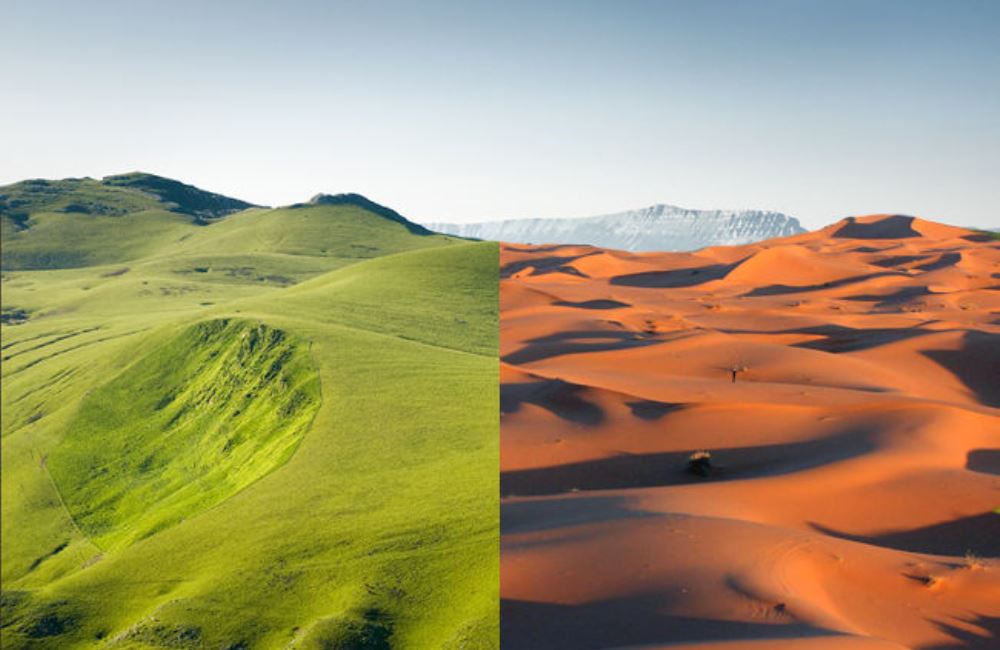
“It’s just desperate – the place is bleached, it’s a dead zone and I know how rich it could be,” says Tony Whitehead, a local nature campaigner. At Hen Tor, once blanketed in heather and bilberry, he finds only isolated patches struggling to survive. Monitoring data reveals a stark decline in heather cover, plunging from 25% to as little as 1% in some areas. Peatlands, once a cornerstone of Dartmoor’s ecology, are now degraded and scarred, overrun by purple moor grass – a monoculture hostile to biodiversity.
Natural England’s 2024 assessment of Dartmoor’s protected sites paints a bleak picture: just 0.1% are in favourable condition, while the area of land in unfavourable and declining health has doubled since 2013. According to Whitehead, “Dartmoor is dying.”
The decline is not for lack of designation. As one of the UK’s 15 national parks – a system conceived 75 years ago to bring nature to every citizen – Dartmoor should be a model of conservation. Yet many landscapes within these parks are, in ecological terms, deserts. Author and activist Guy Shrubsole offers a blunt diagnosis: “Good geology hides a lot of problems. We’re admiring rocks and not what should be a living ecosystem.”
The roots of Dartmoor’s decline run deep into its land-use practices. Most of the national park is privately owned and just 7.5% is publicly held. Sheep grazing is ubiquitous and in winter, when grass runs low, livestock turn to the dwindling bilberry and heather. Overgrazing, moorland burning and historic peat extraction have collectively hollowed out the ecological heart of this landscape. Deep peat, vital for carbon storage and biodiversity, is largely degraded – only 1% is considered healthy.
Efforts to reverse the trend are hampered by a failing system. A 2024 review by Campaign for National Parks found that only 6% of parkland across England and Wales is being managed effectively for nature. Since 2010, government grant funding for parks has fallen by 40% in real terms. The International Union for Conservation of Nature concludes that none of the UK’s national parks meet the global definition of a protected area.
At Hen Tor, however, small signs of resilience emerge. Hidden within the rocks, where sheep cannot graze, bilberry and mountain ash cling on. Near the valley car park, scrub and bracken have attracted garden warblers and thrushes. These patches – tiny, overlooked and mostly outside official conservation zones – hint at what Dartmoor could once again become.
Even now, the land holds a fragile potential. “This land needs a rest,” Whitehead says. “If we had fewer sheep, it would start to bloom again.”
But time is short. A high court case brought by the group Wild Justice against the Dartmoor Commoners’ Council alleges failures to control livestock numbers and protect the environment. The outcome could set a precedent, but whether it will be enough remains uncertain.
The crisis on Dartmoor is not an anomaly. Across the UK, national parks are failing to safeguard the nature they were meant to preserve. Understanding this failure requires looking past the postcard views and seeing instead the quiet, steady unraveling of ecosystems. Dartmoor may still look wild, but for much of its wildlife, it’s fast becoming the place where the wild things once were.
 Climate Observer