
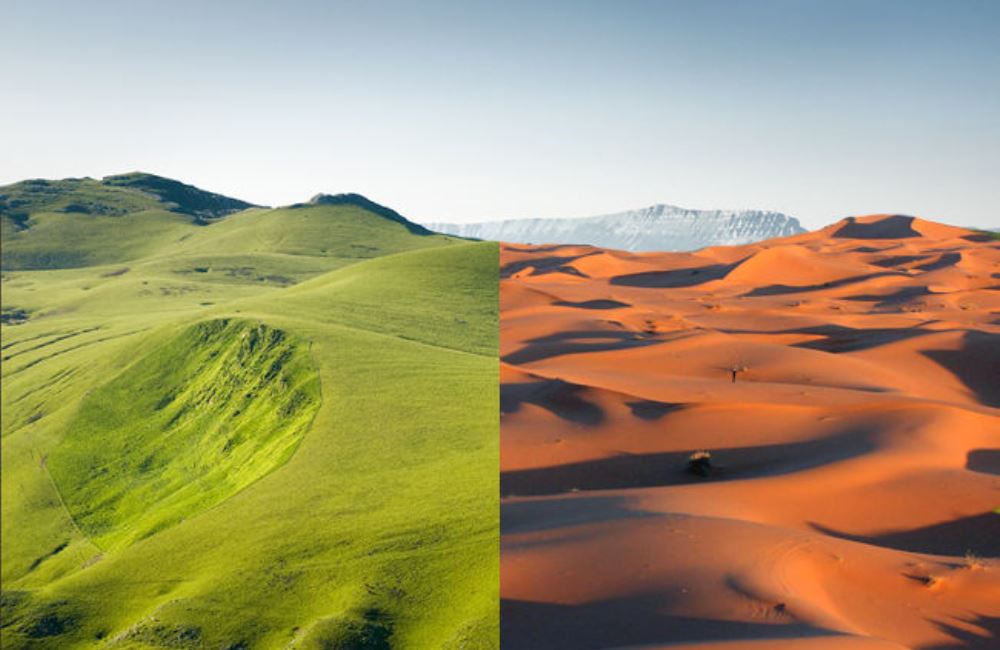
Wildlife populations have dropped by an average of 73% over the past 50 years, according to a report by the World Wide Fund for Nature and the British Zoological Society.
Scientists warn that this dramatic decline signals a deeper crisis in the Earth’s ecosystems, as human activity continues to reshape the planet in what many now call the Anthropocene—a new geological epoch defined by human impact.
The effects of this transformation are becoming embedded in the Earth’s geology. Layers of rock forming today are already laced with radioactive isotopes from nuclear testing, plastic waste, fossil fuel residues and concrete—materials that may one day help future geologists trace the environmental consequences of the current age.
As cities expand and natural habitats shrink, humans are increasingly turning to artificial versions of nature. Around the world, controlled environments such as indoor rainforests, synthetic beaches and zoo dioramas are replacing direct interaction with wild ecosystems.
In Germany, the Tropical Islands resort houses a 10,000-square-metre indoor rainforest, while Disney’s Animal Kingdom in Florida draws millions to themed wildlife experiences.
In response to warming winters, many European ski resorts are also turning to artificial snow. In Italy’s Dolomites, 87% of slopes operated with man-made snow in 2018, powered by extensive infrastructure.
Environmental experts warn that only 3% of the Earth’s land remains ecologically intact. While proposed solutions such as rewilding, habitat protection and sustainable agriculture exist, implementing them requires urgent action from political and industry leaders.
 Climate Observer