
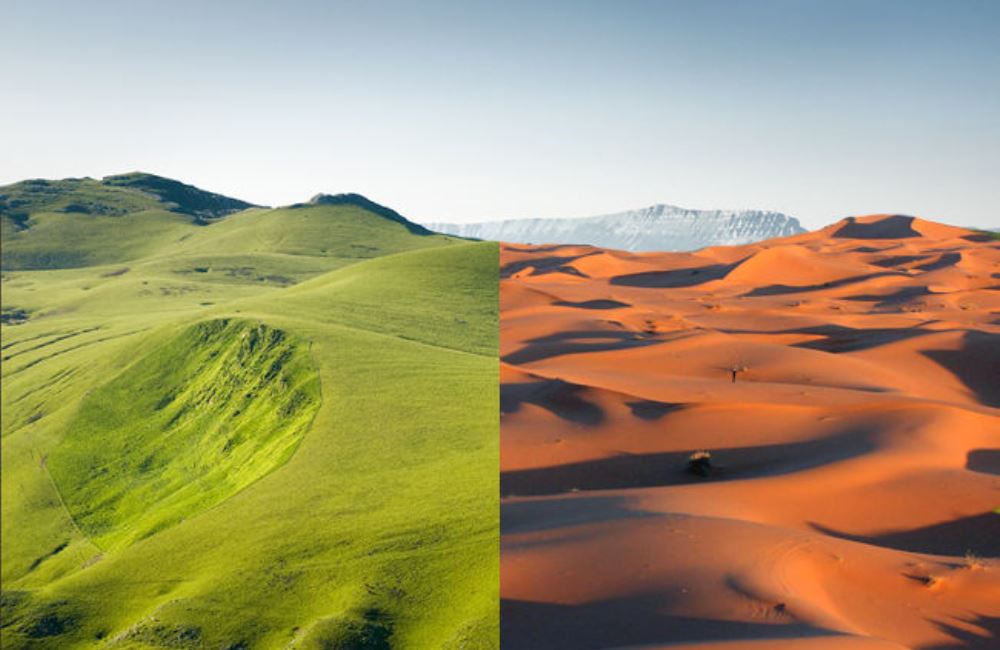
Water scarcity, once considered a challenge limited to dry or drought-prone regions, has now become a global crisis, exacerbated by climate change and unsustainable water use.
As the planet warms and precipitation patterns shift, freshwater sources are coming under increasing pressure. Rivers are drying, aquifers are overdrawn and rainfall is becoming more erratic, transforming water scarcity from a seasonal inconvenience into a persistent and intensifying threat to health, food security and societal stability.
Climate change plays a central role in deepening this crisis. Rising global temperatures accelerate evaporation from lakes, rivers and soil, while melting glaciers and shrinking snowpacks reduce the natural flow of freshwater during critical periods.
In many regions, rainfall is becoming less predictable, arriving too late, in too little volume or in sudden, intense bursts that overwhelm storage systems and then disappear. As droughts grow more frequent and severe, the ability of ecosystems and communities to recover becomes increasingly strained.
In many parts of the world, groundwater reserves are being extracted far beyond sustainable levels—an invisible crisis that threatens long-term food and water security. As water becomes less available, crop yields decline, livestock suffer and food systems weaken.
Urban areas face growing challenges as well. Rapid population growth, industrial demand, aging infrastructure and pollution all contribute to increasing pressure on already limited water supplies. In some cities, rationing is becoming common and millions rely on water deliveries or unsafe sources.
Infrastructure failures, such as leaking pipes or contaminated reservoirs, compound the crisis, leaving even well-developed areas vulnerable. As resources dwindle, tensions rise, between rural and urban communities, among industries and even across borders that share rivers and watersheds.
Ecosystems are not spared. Wetlands shrink or disappear, rivers are diverted and the species that rely on freshwater habitats face growing threats. The collapse of aquatic ecosystems not only harms biodiversity but also undermines the natural systems that help purify water, regulate local climates and recharge underground aquifers.
Confronting water scarcity demands urgent and coordinated action. Mitigating climate change by reducing greenhouse gas emissions is essential to slow the disruptions to the global water cycle. At the same time, adapting to current realities means investing in more efficient irrigation, improving wastewater treatment and reuse, protecting watersheds and restoring degraded ecosystems.
Public education, equitable policy and community-level engagement are also vital in promoting sustainable water use and access for all.
Water is fundamental to life, yet its availability can no longer be taken for granted. As scarcity deepens and spreads, it poses one of the most serious challenges of the 21st century, affecting everything from human health and food production to economic development and geopolitical stability. In a warming world, securing water is not just an environmental concern, it is a global imperative.
 Climate Observer