Wildfires, once seasonal and largely confined to specific ecosystems, are now intensifying into year-round disasters across many parts of the world. Fueled by rising global temperatures, prolonged droughts and erratic weather patterns, wildfires are becoming more frequent, more destructive and more unpredictable.
Climate change is reshaping the conditions that support fire, such as dry vegetation, low humidity and strong winds, making once-rare megafires a regular and devastating feature of the modern landscape.
At the center of this escalation is the warming planet. Higher temperatures dry out soil and vegetation, creating vast expanses of flammable fuel. In many regions, fire seasons are not just longer, they are nearly continuous, with shorter and hotter winters offering little reprieve.
When ignition occurs, whether from lightning strikes, human activity or aging infrastructure, fires can spread rapidly and with overwhelming intensity. The result is often catastrophic: homes reduced to rubble, communities displaced and landscapes permanently altered.
The human cost of wildfires is immense. Beyond the immediate threat to life and property, the smoke they generate spreads across vast distances, degrading air quality far from the fire’s origin. Fine particulate matter in wildfire smoke penetrates deep into the lungs and bloodstream, increasing the risk of respiratory and cardiovascular diseases.
Vulnerable populations, such as children, the elderly and those with pre-existing conditions, are especially at risk. In some areas, repeated exposure to smoke has become a chronic health concern, with long-term implications for public well-being.
Wildfires also exact a heavy toll on ecosystems. Forests that took decades or centuries to grow can be destroyed in a matter of hours. Wildlife is killed or forced to flee and sensitive habitats may never fully recover.
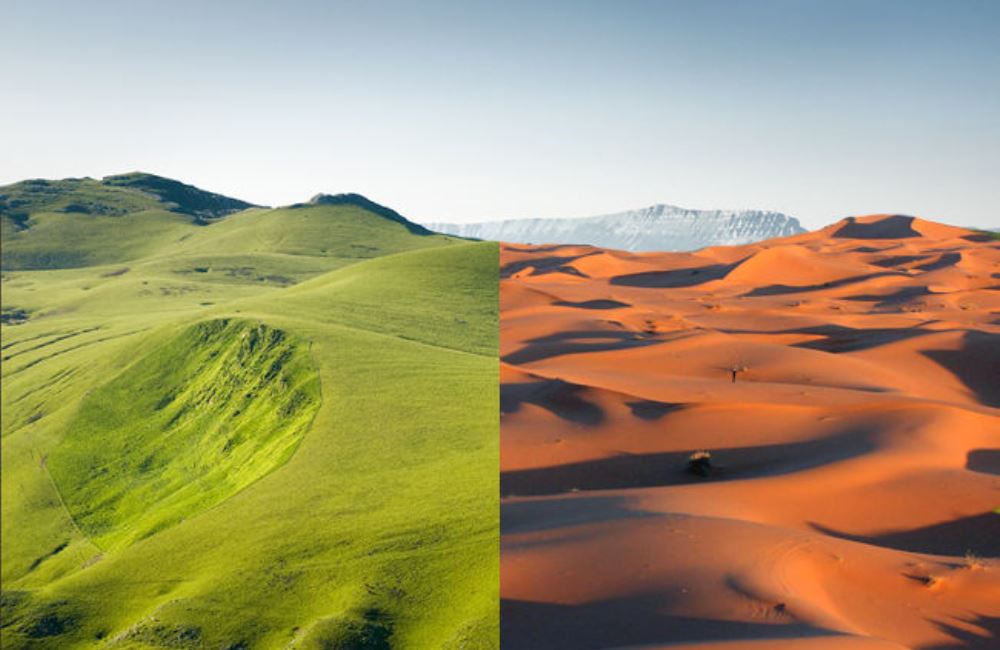
In fire-prone regions, repeated burns can deplete soil nutrients, reduce water retention and lead to erosion and desertification. Compounding the damage, wildfires release massive amounts of carbon dioxide into the atmosphere, turning forests from carbon sinks into emissions sources and accelerating the climate crisis in a dangerous feedback loop.
Globally, wildfires are no longer confined to traditional hotspots. From North America and the Mediterranean to the Amazon, Australia and Siberia, fires are expanding in reach and severity. While some ignitions are natural, human activity—including land clearing, poor forest management and development in fire-prone areas—plays a significant role in both sparking and worsening fires. As populations grow and urban sprawl continues, more communities find themselves on the frontlines of fire risk.
Addressing the growing wildfire threat requires urgent and coordinated action. Reducing greenhouse gas emissions is essential to slowing the warming that intensifies fire conditions.
At the same time, investment in fire-resilient infrastructure, responsible land use planning, improved forest management and early warning systems is critical. Prescribed burns and the restoration of natural fire cycles, where appropriate, can also help reduce fuel buildup and mitigate future risks.
Wildfires are no longer isolated disasters; they are a global signal of ecological imbalance and a direct consequence of a warming world. As their scale and frequency continue to grow, so too must our efforts to prevent, prepare and adapt.
Protecting lives, landscapes and the stability of the climate will depend on how seriously we respond to the growing fire crisis.
 Climate Observer