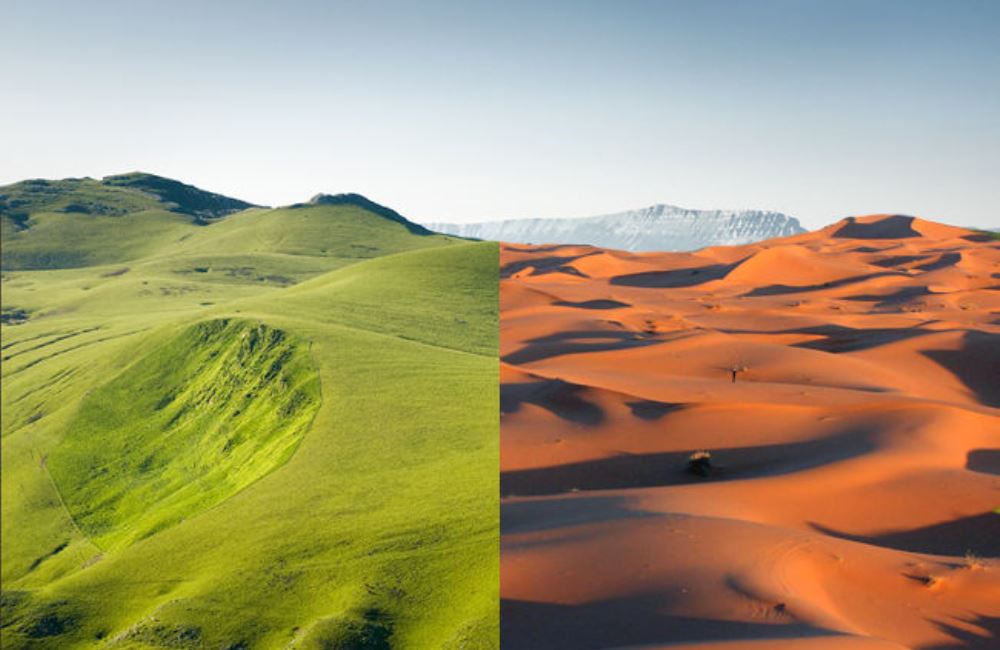
Droughts, once considered occasional and largely regional weather events, are becoming more frequent, prolonged and severe in many parts of the world. This shift is closely linked to climate change, which is altering rainfall patterns, increasing global temperatures and intensifying pressure on already-stressed water systems.
A drought occurs when an area experiences a significant and sustained lack of precipitation, leading to water shortages, crop failures and widespread environmental and economic disruption. Today, what were once temporary dry periods are evolving into persistent and deeply damaging climate-driven crises.
Rising global temperatures play a central role in this transformation. As the atmosphere warms, evaporation increases, drying out soil, vegetation and surface water more rapidly than in the past. At the same time, rainfall is becoming more erratic. Wet seasons are shortening, dry spells are lengthening and when rain does fall, it is often too intense to be effectively absorbed.
These shifts leave groundwater and reservoirs depleted, particularly in areas already vulnerable to arid conditions. In some regions, repeated droughts occur with little time for recovery, turning once-fertile land into parched, unproductive ground.
The agricultural sector is especially vulnerable. Crops fail without adequate moisture, livestock suffer and food production declines, threatening food security and livelihoods, particularly in regions that rely on rain-fed farming. Smallholder farmers in developing countries are often the hardest hit, lacking access to irrigation systems, drought-resistant seeds or financial safety nets.
Over time, repeated droughts can lead to land degradation and desertification, making recovery even more difficult and forcing families to abandon their land in search of more stable conditions.
Urban areas, too, face growing challenges. Prolonged droughts strain municipal water supplies, reduce reservoir levels and limit the availability of water for households, industries and essential services.
Hydropower output drops, contributing to energy shortages and governments may be forced to impose water restrictions. As water becomes increasingly scarce, competition between agricultural, urban and industrial users can intensify, sometimes leading to conflict across communities or borders.
Ecologically, droughts place enormous stress on natural systems. Rivers and wetlands shrink or dry up, forests become more susceptible to disease, pests and wildfires and wildlife struggles to find food and water. In some regions, prolonged droughts are pushing ecosystems to the brink, with cascading effects on biodiversity and the services these ecosystems provide.
Confronting the growing threat of drought requires both global mitigation efforts and local adaptation strategies. Reducing greenhouse gas emissions is essential to slowing the warming that underpins changing precipitation patterns.
At the same time, smarter water management, investment in drought-resilient agriculture, reforestation and the protection of natural water systems are critical to building long-term resilience. Encouraging innovation in water-saving technologies and sustainable land use can also help communities prepare for increasingly dry conditions.
Droughts are no longer isolated or rare events; they are becoming a defining feature of a warming world. As they grow in frequency and intensity, the need to act becomes more urgent.
Building resilience to drought is not only about conserving water, it is about securing the future of agriculture, protecting ecosystems and sustaining life in a changing climate.
 Climate Observer