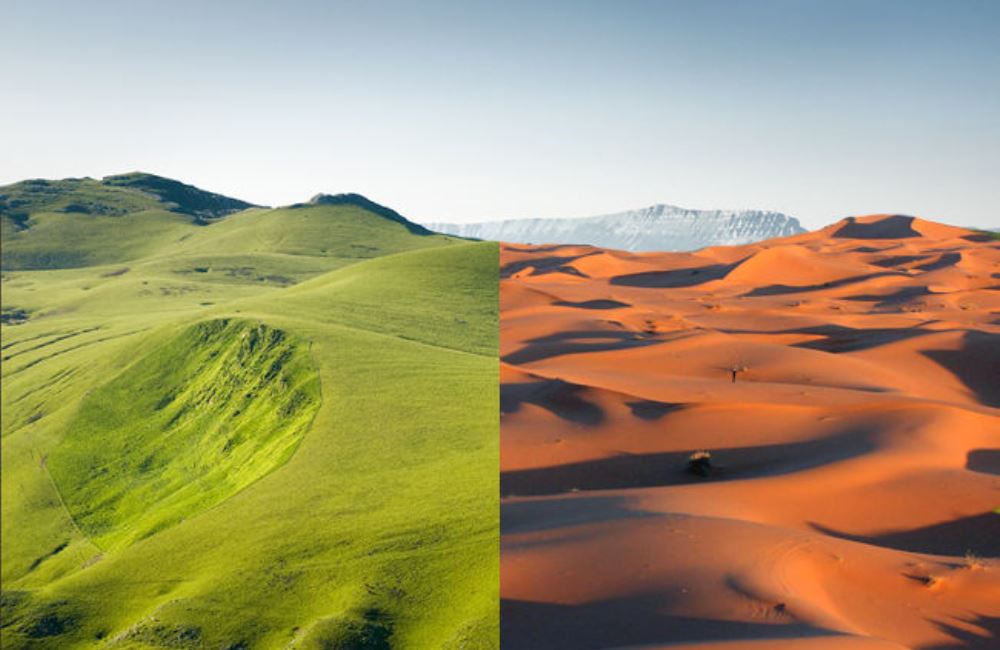
Over the past century, the Earth’s climate has undergone noticeable and unprecedented changes, sparking global conversations among scientists, policymakers and citizens alike.
Once considered a distant concern, climate change has now become one of the most pressing challenges facing humanity. From record-breaking heatwaves to rising sea levels and shifting weather patterns, the evidence of a warming planet is all around us. But what exactly is climate change and why does it matter?
Climate change refers to long-term alterations in temperature, precipitation, wind patterns and other elements of the Earth’s climate system. These changes can occur naturally over millennia due to shifts in the Earth’s orbit, volcanic eruptions or variations in solar activity.
However, in recent centuries, human activity has significantly accelerated the pace of climate change, particularly since the onset of the Industrial Revolution.
The primary driver of modern climate change is the increase in greenhouse gases in the atmosphere. These gases, including carbon dioxide, methane and nitrous oxide, trap heat from the sun and prevent it from escaping back into space, creating what is known as the greenhouse effect. While this effect is essential for maintaining a habitable planet, the excessive concentration of greenhouse gases from the burning of fossil fuels, deforestation and industrial processes has intensified the warming of the planet beyond natural levels.
One of the most visible impacts of climate change is the rise in global average temperatures. This warming has led to the melting of glaciers and polar ice caps, contributing to rising sea levels. Warmer oceans also expand, further increasing sea levels and threatening coastal communities around the world.
Additionally, climate change influences weather patterns, making extreme weather events such as hurricanes, droughts, floods and wildfires more frequent and severe.
The consequences of climate change extend beyond the environment. It affects ecosystems, endangers species and disrupts food and water supplies. Human health is at risk from increased air pollution, heatwaves and the spread of diseases.
Economies are impacted through damage to infrastructure, decreased agricultural productivity and the displacement of populations. Vulnerable communities, particularly in developing nations, bear the brunt of these impacts despite contributing the least to global emissions.
Addressing climate change requires a global effort to reduce greenhouse gas emissions and transition to cleaner sources of energy such as wind, solar and hydroelectric power. Conservation, sustainable land use and reforestation also play important roles. At the same time, adaptation strategies are necessary to cope with the changes that are already underway, such as building resilient infrastructure and protecting vulnerable ecosystems.
Climate change is a complex and urgent challenge that touches every aspect of life on Earth. It demands immediate action and long-term commitment from individuals, governments and organizations worldwide to protect the planet for current and future generations.
 Climate Observer